

Understanding the 4C's
Cut. Color. Clarity. Carat.
Choosing a diamond is about finding the right balance of beauty, quality, and value. The 4Cs—cut, color, clarity, and carat weight—provide a trusted framework for comparing diamonds, helping you make an informed decision with confidence.
At Saslow's & Henebry's Diamond Jewelers, we've been helping customers select exceptional diamonds for over 100 years. That's why we proudly offer diamonds independently graded by leading gemological laboratories like GIA, AGS, and GCAL, giving you confidence in every purchase.
Diamond Cut
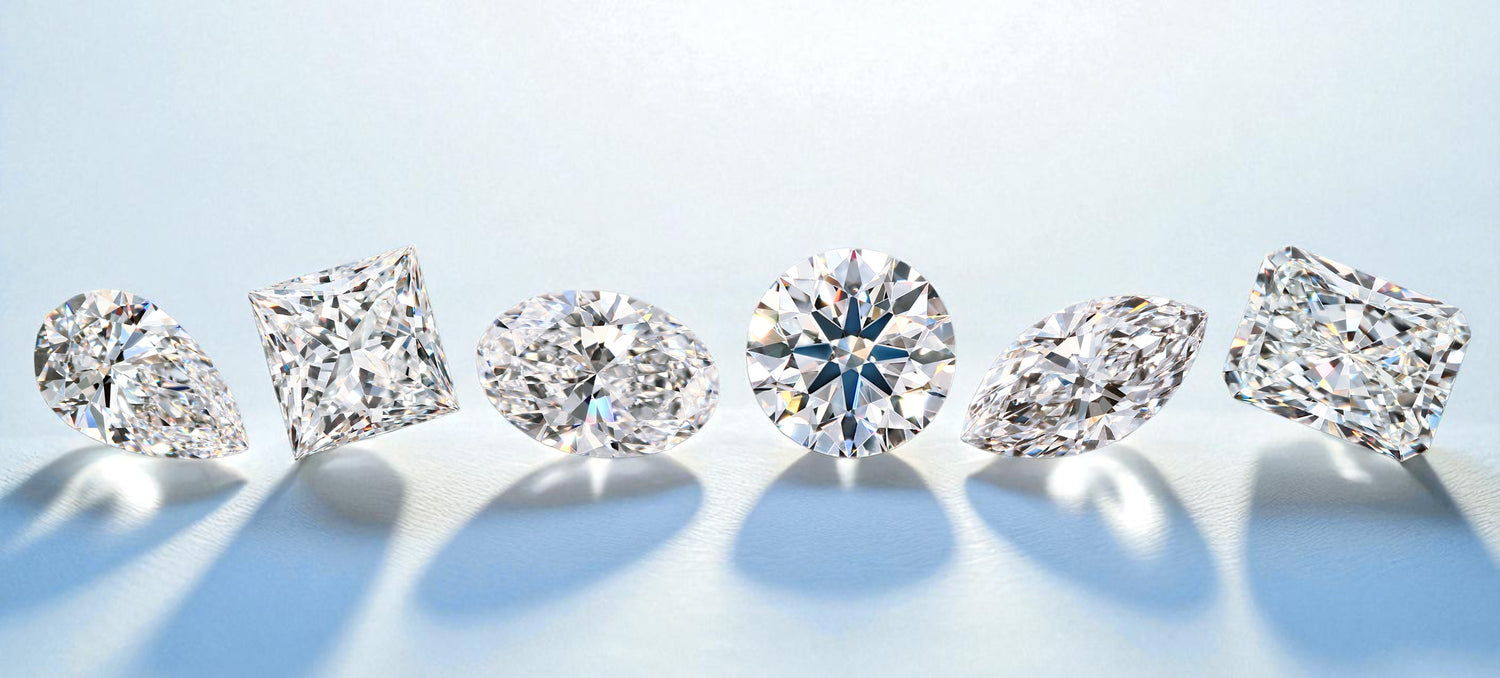
Of the 4Cs, cut has the greatest impact on a diamond's brilliance. A well-cut diamond is carefully proportioned to reflect and return light, creating the sparkle, fire, and scintillation that make it so captivating. Even a diamond with excellent color and clarity won't perform at its best if it's poorly cut.
It's also important to know that cut and shape aren't the same thing. Cut refers to how well a diamond has been crafted and proportioned, while shape describes its outline, such as round, oval, princess, or emerald. A beautifully cut diamond, regardless of its shape, will maximize its natural beauty.
How is diamond cut quality decided?
Diamond cut quality is evaluated on a scale ranging from Excellent to Poor, based on how well the diamond's proportions, symmetry, and polish work together to reflect light. At Saslow's & Henebry's, we recommend diamonds with Very Good to Excellent cut grades for exceptional brilliance and beauty.
A diamond's proportions play an important role in its performance. When a diamond is cut too deep or too shallow, light can escape instead of reflecting back to the eye. A well-cut diamond is designed to maximize light return, creating the brilliance and sparkle that make it truly stand out.

Diamond Color
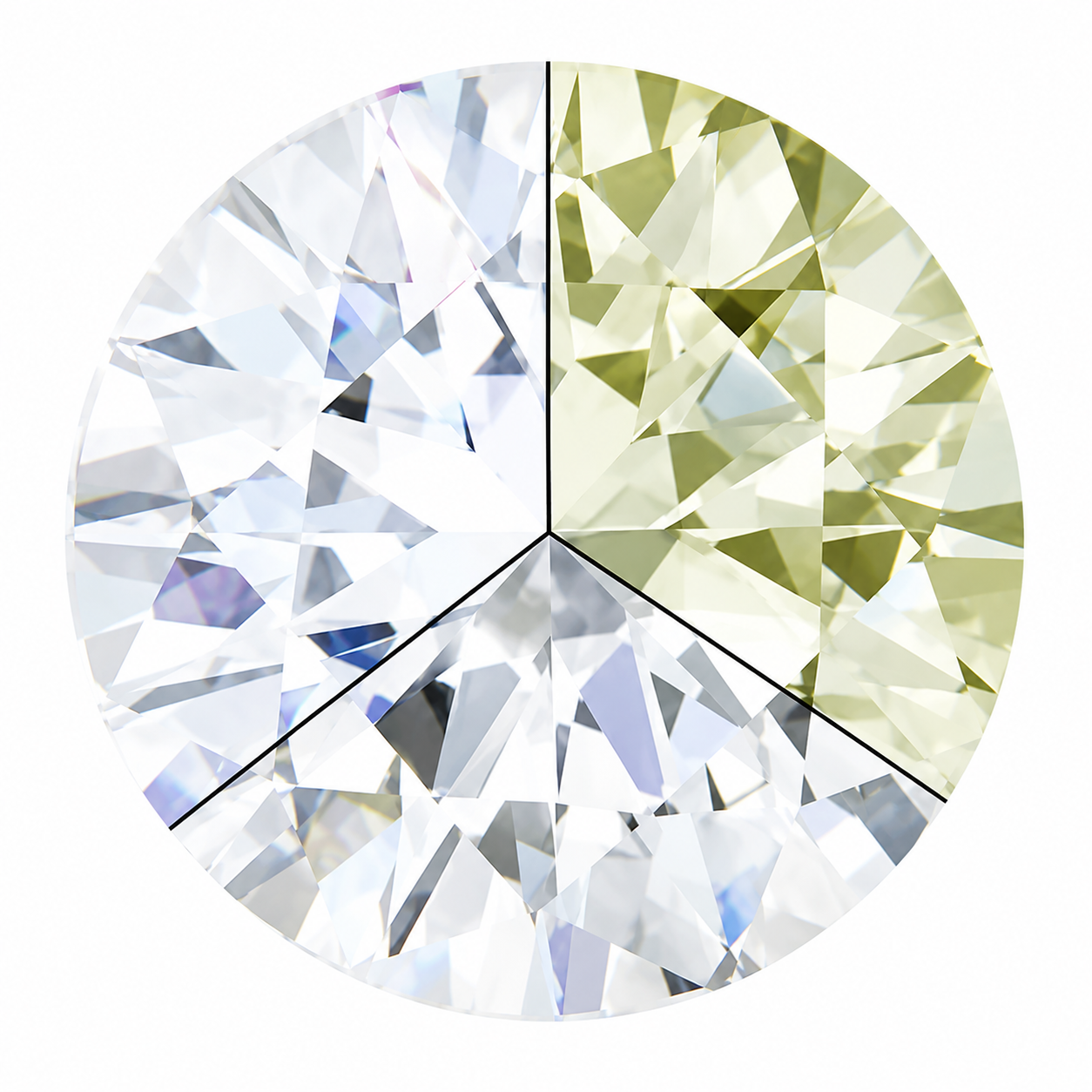
Truly colorless diamonds are among the rarest and most sought-after. Most diamonds contain subtle traces of color that develop naturally during formation or, in the case of lab grown diamonds, during the growing process. These slight variations are measured on a standardized color scale and can influence both a diamond's appearance and value.
Whether you're shopping for a natural or lab grown diamond, our jewelry experts can help you compare color grades and choose the option that best fits your style, preferences, and budget.
How is diamond color quality graded?
Diamonds are graded on a standardized color scale developed by GIA, ranging from D (completely colorless) to Z (noticeable light color). To ensure consistency, trained gemologists evaluate each diamond under controlled lighting and compare it to a set of carefully calibrated master stones.
Most engagement diamonds fall within three general color categories: Colorless (D–F), Near Colorless (G–J), and Faint Color (K–M). Understanding these ranges can help you find the ideal balance of appearance, rarity, and value.
-

Colorless (D E F)
Colorless (D–F) diamonds are the rarest on the color scale and are prized for their bright, icy appearance. With little to no visible color, they allow the diamond's brilliance to take center stage, making them highly sought after and exceptionally valuable.
-

Near Colorless (G H I J)
Near Colorless (G–J) diamonds deliver a bright, elegant appearance with only the slightest hint of color. Because the difference is often imperceptible without expert comparison, they offer outstanding beauty at a more accessible price point.
-

Faint (K L M)
Faint Color (K–M) diamonds may show a subtle hint of warmth when viewed loose, but once set in a ring, the color is often much less noticeable in everyday wear. For those who prioritize size or value over the highest color grades, these diamonds can be an excellent choice.


Diamond clarity
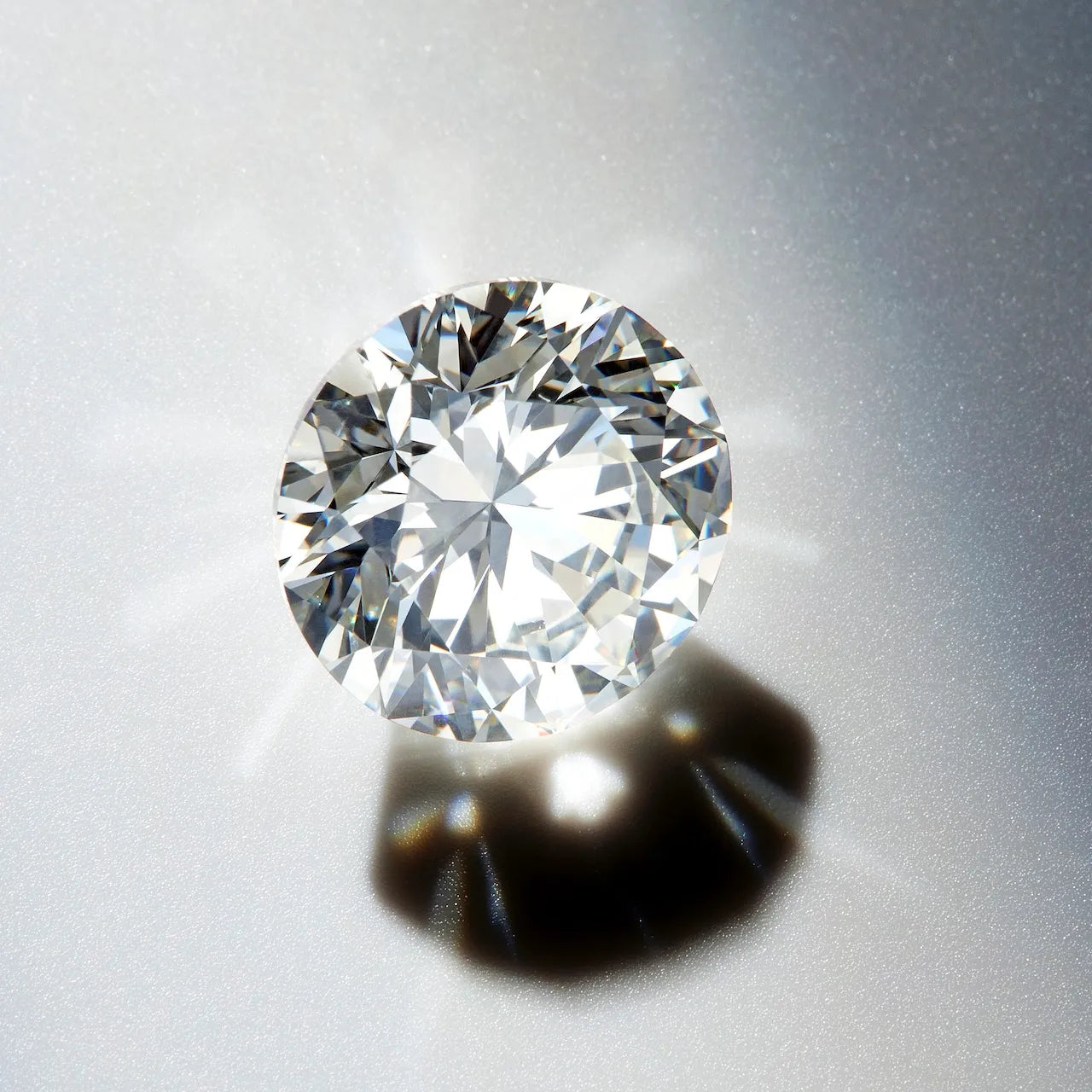
Whether formed deep within the earth or grown in a controlled laboratory, most diamonds contain natural characteristics known as inclusions or blemishes. These internal and external features are what determine a diamond’s clarity grade, based on their size, number, location, and visibility.
Clarity reflects the natural qualities within the stone, while cut reflects the skill and precision of the craftsmanship that shaped it.
How is diamond clarity determined?
Most inclusions and surface blemishes are not visible to the naked eye. To accurately assess clarity, the GIA evaluates diamonds under 10x magnification using a jeweler’s loupe, an industry-standard tool also used to grade polish and symmetry. A diamond is considered “eye clean” when no inclusions can be seen without magnification in normal lighting from a typical viewing distance.
To better understand how inclusions affect appearance, compare the highlighted examples below with the accompanying photos.
-

Flawless (FL) Internally Flawless (IF)
At the top of the clarity scale are Flawless (FL) and Internally Flawless (IF) diamonds. These exceptional stones contain no visible inclusions and are extremely rare, earning the highest possible clarity grades.
-

Very Very Slightly Included (VVS1 and VVS2)
Very slight internal inclusions in these diamonds are only visible under high magnification and can be difficult for even trained gemologists to detect.
-

Very Slightly Included (VS1, VS2)
These extremely subtle imperfections are difficult to detect even under magnification and are not visible to the naked eye.
-

Slightly Included (SI1, SI2)
Trained gemologists can identify these subtle inclusions under 10x magnification, and in some cases they may be visible to the naked eye. However, they are typically more difficult to detect in diamonds under 1 carat.
-

Included (I1, I2, I3)
These inclusions are easily visible to a trained jeweler or gemologist using 10x magnification and are often noticeable to the naked eye. I3 diamonds may contain inclusions significant enough to impact both durability and brilliance.


Diamond Carat
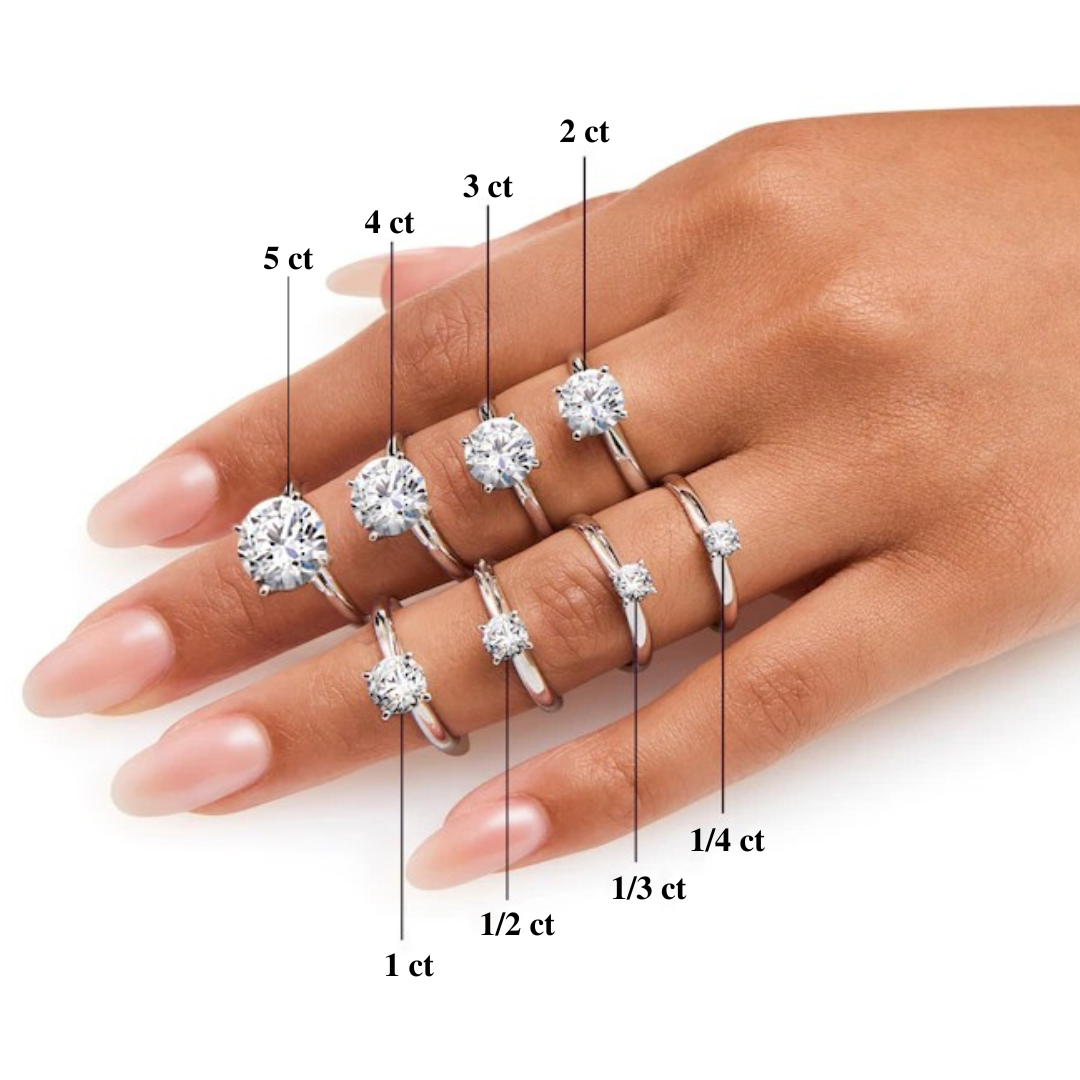
Carat weight is the most familiar of the 4Cs and refers to a diamond’s weight, not its size. One carat equals 200 milligrams. While all of the 4Cs influence a diamond’s overall quality, carat weight plays a major role in determining its value.
What carat weight should you choose?
There’s no single “right” carat weight—it depends on the diamond’s other characteristics, as well as the shape, setting, and overall style of the ring. Along with budget, here are a few important factors to keep in mind.
-

Most engagement diamonds fall between 0.5 and 5 carats, but there’s no true limit to what’s possible. While our selection includes diamonds up to 5 carats, our custom design process allows us to source and create rings with virtually any carat weight.
-

Carat size is a personal choice, shaped by your style, lifestyle, and how you plan to wear the ring. Finger size, hand shape, and everyday wear all play a role in finding the look that feels just right.
-

Diamond shape can influence how large a stone appears, even when the carat weight is the same. Elongated shapes like marquise or elongated cushion cuts tend to show more surface area, often creating a larger-looking presence on the finger.
-

Ring style and setting also play a role in how large a diamond appears. A solitaire keeps the focus on a single center stone for a clean, timeless look, while a halo setting enhances sparkle by surrounding the diamond with smaller accent stones.


Frequently Asked Questions
Why does diamond cut matter?
The quality of a diamond’s cut has a direct impact on its brilliance. An excellent cut maximizes light performance, enhancing the diamond’s natural sparkle and beauty.
Why does diamond color matter?
Diamond color often comes down to personal preference, allowing you to move slightly up or down the color scale depending on the other 4Cs to find the best balance of beauty and value.
Why does diamond clarity matter?
Clarity influences both a diamond’s appearance and its value, but perfection isn’t the only measure of beauty. Every diamond is unique, and our jewelry experts are here to help you find one that fits your style and feels right for you.
Why does diamond carat weight matter?
Beyond its impact on value, carat weight is simply a measurement—not a measure of beauty. Stunning diamond jewelry can be found in a wide range of sizes.
What does "sparkle" mean?
Sparkle is created by the way a diamond reflects and disperses light. It’s made up of three components: brilliance, or white light reflection; fire, the colorful flashes seen like a prism; and scintillation, the contrast of light and dark that appears with movement.
Talk to an expert
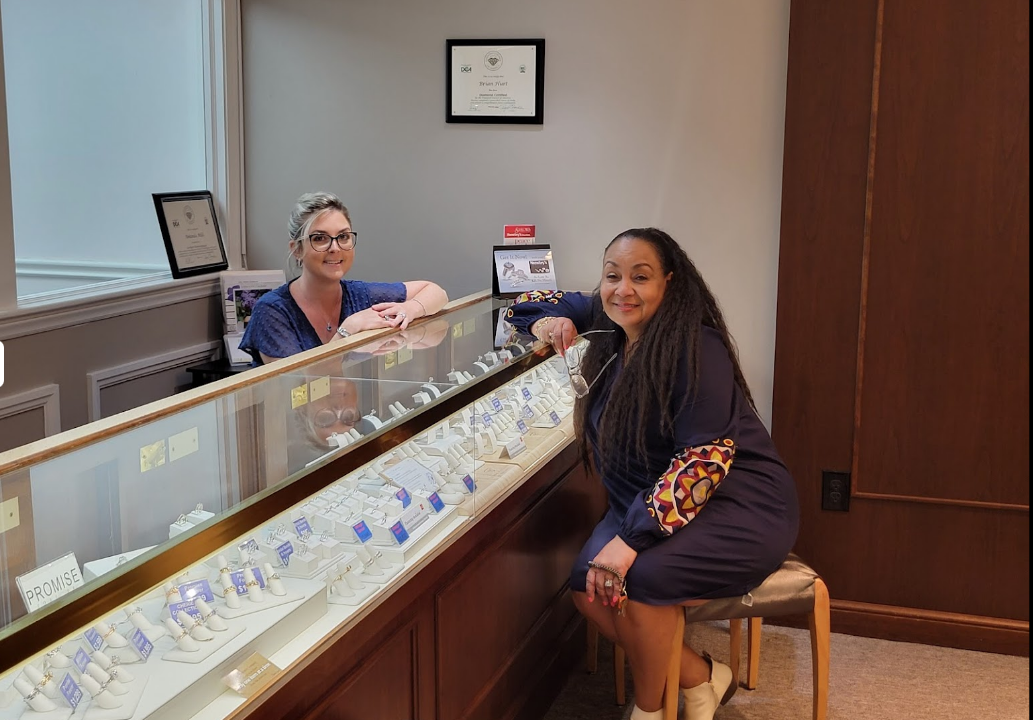
Choose a convenient date and time to meet with a jewelry expert, who will guide you through our selection of fine jewelry and assist with any custom requests or repairs. Whether you're looking for the perfect engagement ring, a special gift, or a custom design, scheduling an appointment ensures personalized attention and a tailored shopping experience.
-
Questions? Concerns?
-
Peace of Mind Protection Plan
-
Financing
-
Find a Location